
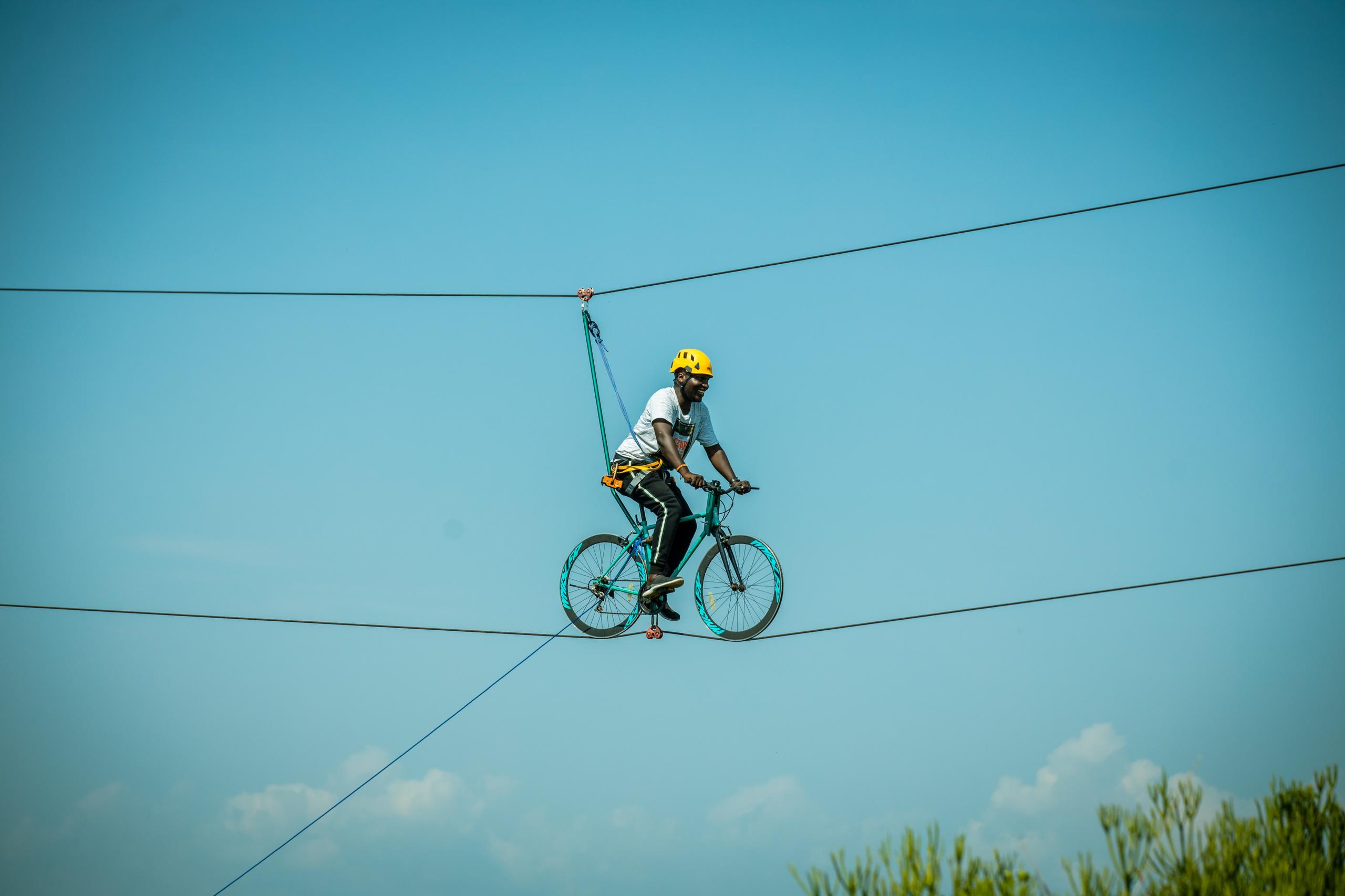
Adventure parks bring together adrenaline, recreation and the surrounding environment to create destinations that offer far more than a single attraction.
From ziplines and rope courses to climbing walls, canopy experiences and family activities, a well-planned adventure park can serve different audiences while giving visitors multiple reasons to stay, explore and return.
Creating that kind of destination requires more than installing equipment. It begins with a strong concept and continues through site planning, engineering, safety, operations, storytelling and visitor experience.
Start with a strong concept
Every successful adventure park begins with a clear idea of what the destination should become.
Will it focus on high-adrenaline attractions? Family recreation? Nature-based adventure? Team-building? A resort experience? Or a combination of several different activities?
The best adventure parks are designed as complete visitor experiences, not simply collections of equipment.
Understanding the target audience, setting and commercial goals early helps determine which attractions belong in the park and how they should work together.
Choose the right location
The site can shape almost every aspect of an adventure park.
Terrain, vegetation, views, existing facilities, accessibility and available space all influence what can be built and what type of visitor experience can be created.
Accessibility
Visitors need a practical way to reach the site, while construction and operational teams need reliable access for development and maintenance.
Terrain
Hills, trees, slopes, water features and open areas can become valuable design assets when attractions are planned around them.
Natural Character
A visually striking site can become part of the attraction and strengthen the park's identity.
Space for Growth
Planning ahead can make it easier to introduce new activities as the destination and visitor market grow.
Safety has to shape the park from the beginning
Adventure attractions are designed to create excitement, but that excitement needs to sit on top of strong engineering, operational systems and safety procedures.
Equipment selection, structural design, staff training, inspections, maintenance and emergency procedures should all be considered before the attraction opens.
Visitors should be able to enjoy the feeling of challenge while operators remain confident in the systems behind the experience.
Create a diverse mix of attractions
One of the advantages of an adventure park is the ability to serve different ages, interests and confidence levels within the same destination.
High-Adrenaline Attractions
Ziplines, giant swings, aerial challenges and other signature attractions can become the defining experiences of the park.
Rope Courses
Multi-element courses can challenge balance, confidence, coordination and problem-solving.
Family Activities
Children's play, low-height attractions and shared activities can broaden the audience and make the park more inclusive.
Nature Experiences
Suspension bridges, canopy walks and trails can turn the surrounding environment into a central part of the visitor journey.
Build responsibly
Adventure parks are often developed in landscapes that are naturally attractive, which makes environmental responsibility especially important.
Thoughtful positioning, appropriate materials, controlled construction activity and consideration of existing vegetation can help reduce unnecessary environmental impact.
Where possible, the park should help visitors appreciate the environment rather than disconnect them from it.
Give the destination an identity
A strong adventure park is often remembered not only for what visitors did, but for how the whole place felt.
Design, naming, signage, landscape, staff interaction and the sequence of attractions can all help create a clear identity.
A park may draw inspiration from nature, local culture, exploration, a fictional theme or the specific story of its location.
When these elements work together, visitors experience the destination as one coherent place rather than a collection of unrelated attractions.
Think beyond the attractions
The visitor experience begins before someone clips into a harness and continues long after an activity ends.
Parking, reception, orientation, rest areas, food and beverage, washrooms, seating, signage and customer service can all affect how visitors judge the overall quality of the destination.
Staff are particularly important. Well-trained teams can help guests feel welcome, confident and excited throughout the visit.
Build it, then tell people about it
Even an exceptional adventure park needs a strong strategy for reaching its audience.
Social media, websites, tourism partnerships, travel companies, schools, corporate groups and events can all help introduce the destination to potential visitors.
But the park's most powerful marketing can eventually come from the experience itself. Guests who leave excited are more likely to share photographs, leave reviews and recommend the destination to others.
Create a place people remember
Building an adventure park is about more than establishing a recreation business.
It is an opportunity to create a destination where people can challenge themselves, connect with nature, share experiences and make lasting memories.
By combining a strong concept, suitable location, diverse attractions, responsible development, rigorous safety and a great visitor experience, an adventure park can become a valuable tourism and leisure destination for years to come.