
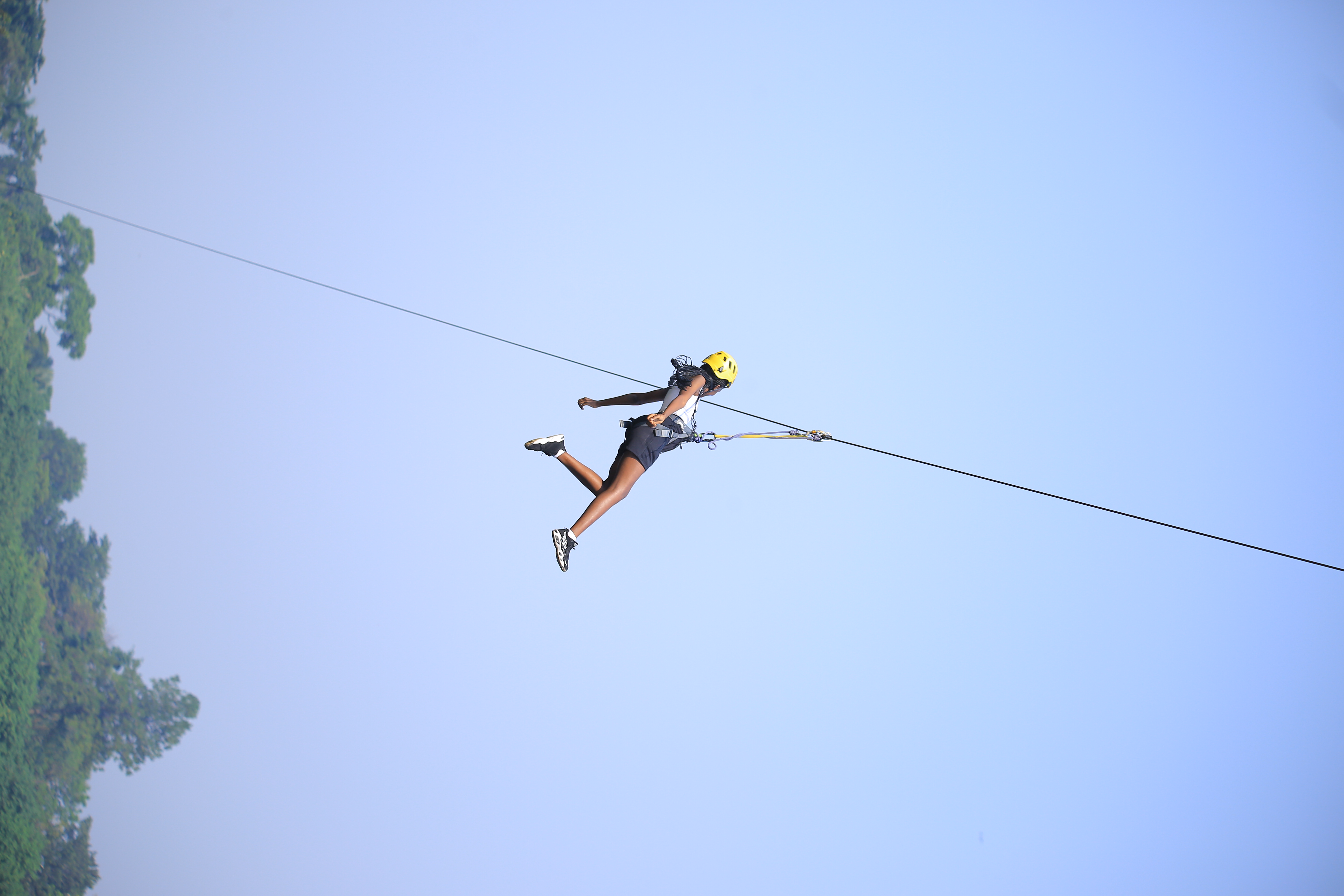
Uganda, often referred to as the Pearl of Africa, offers an extraordinary combination of landscapes, biodiversity and natural terrain for adventure experiences.
From forests and hills to lakes, rivers and dramatic valleys, the country provides a remarkable setting for one of the world's most exciting outdoor attractions: the zipline.
A well-designed zipline allows visitors to experience a landscape differently — combining speed, height and panoramic views into one memorable attraction.
The rise of ziplining in Uganda
Ziplining has grown in popularity as an outdoor adventure activity because it creates a rare combination of exhilaration, accessibility and connection with the natural environment.
Uganda's varied terrain makes it particularly well suited to this type of experience. Elevation changes, forests, waterways and open landscapes can all be used to create different styles of zipline attraction.
A great zipline is not simply about speed. It is about creating a perspective of the landscape visitors could not experience from the ground.
Finding the right location
The first major decision in developing a zipline is determining where it should be built.
Uganda provides a wide range of possible environments, including forests, tourism properties, hillsides, lakeshores, river valleys and adventure destinations.
But an impressive view alone is not enough. A potential site also has to work technically and operationally.
Terrain & Elevation
The natural shape of the land influences line length, speed, tower positioning and the overall experience.
Accessibility
Visitors, construction teams and operational staff need safe and practical access to the attraction.
Visitor Experience
The best route should provide more than a technically workable line — it should create a memorable journey.
Commercial Potential
The attraction should fit the wider destination, target market and client's investment objectives.
Safety comes first
Adventure relies on excitement, but the infrastructure behind that excitement has to be carefully designed and operated.
Safety considerations should influence every stage of a zipline project — from feasibility and engineering through construction, equipment selection, staff training and daily operation.
Engineering
Towers, anchors, cables, platforms and other structural components must be designed for the intended loads and operating conditions.
Appropriate Equipment
Harnesses, helmets, pulleys, karabiners and other equipment must be appropriate for the attraction and operating system.
Staff Training
Operators need practical training in guest handling, equipment use, inspection procedures and emergency response.
Maintenance & Inspection
Regular inspections and preventive maintenance are essential for safe and reliable long-term operation.
Building with respect for the environment
Uganda's natural environment is one of the greatest assets available to an adventure development.
That also creates a responsibility to consider how construction and operation interact with the surrounding landscape.
Site selection, access routes, material choices, waste management and construction methods can all help reduce unnecessary disturbance.
The goal should be to create an attraction that allows people to experience nature while preserving the qualities that made the site attractive in the first place.
Creating opportunities for communities
Adventure developments can also create value beyond the attraction itself.
Working with nearby communities, employing local staff, engaging local guides and sourcing goods and services locally can create economic opportunities while strengthening relationships around the destination.
When communities are meaningfully connected to a tourism or recreation development, the wider impact of the project can grow alongside the business.
Adventure as a tourism opportunity
Zipline attractions have the potential to appeal to both domestic and international visitors.
When combined with Uganda's existing tourism assets, hospitality facilities and natural destinations, adventure attractions can encourage visitors to stay longer and experience a location in new ways.
Partnerships with accommodation providers, tour operators, travel companies and destination marketers can help connect these experiences to broader tourism audiences.
The ultimate adventure
The appeal of ziplining lies in its simplicity: step onto the platform, leave the ground behind and experience the landscape from an entirely new perspective.
Whether crossing a river, travelling through a forest or flying between towers high above the ground, the combination of speed, exposure and scenery creates an experience that visitors remember.
For Uganda, the opportunity goes beyond constructing individual attractions. Well-designed ziplines can strengthen tourism destinations, create new businesses and encourage people to connect with some of the country's most remarkable landscapes.